
If you’re building out a careers page or refreshing your employer brand content, an office culture photoshoot is how you replace generic stock imagery with real proof of what it’s actually like to work at your company. Done well, it gives candidates real desks, real teams and real moments to look at instead of another borrowed stock photo and that’s usually what tips a hesitant applicant into hitting “apply.”
An employer branding manager in Bangalore once spent a whole afternoon scrolling through her company’s Instagram before a townhall. Every single photo was the same: rows of people at laptops, one standard “team lunch” shot from three years ago, and a stock image of a handshake that had nothing to do with the actual office. She had a budget, a content calendar, and zero real photos of what it was actually like to work there. What she needed was not another stock subscription. She needed an office culture photoshoot.
Ready to replace the stock photos on your careers page? Click here to get a quote for an office culture photoshoot with Perspectives.
Table of Contents
- Why Every Employer Branding Team Eventually Needs One
- What Makes a Culture Shoot Different From a Corporate Portrait Session
- Everyday Workplace Ideas Worth Shooting
- Team Moments and Collaboration That Actually Work
- Leadership and Culture Storytelling Through Photography
- Mistakes That Turn It Into Another Stock Set
- Why Bangalore Employer Branding Teams Choose Perspectives
- Conclusion
- FAQs
- Key Takeaways
Why Every Employer Branding Team Eventually Needs an Office Culture Photoshoot
Here is what usually happens first. A company grows, HR starts a careers page, and someone is asked to “make the culture section look good.” The fastest option is stock photography, and it works for exactly one LinkedIn post before candidates start noticing the same smiling group of strangers on five other companies’ pages too.
Candidates today read a careers page the way they read a product review. They are looking for signs that what they see is real. A well planned office culture photoshoot closes that gap, because it replaces borrowed imagery with actual employees, in the actual office, doing the actual work.
This matters more than most employer branding teams realise. Job seekers research a company’s culture and reputation before they ever apply, and generic visuals are one of the fastest ways to lose that early trust. A good shoot fixes the exact problem stock photography creates: it puts a real face, a real desk, and a real moment behind every claim the careers page makes.
Most briefs for this kind of shoot still start with “get some team photos.” That instruction alone rarely produces anything usable. A proper office culture photoshoot needs a plan, the same way any other brand shoot does, or it ends up looking as generic as the stock library it was meant to replace.
What Makes a Culture Shoot Different From a Corporate Portrait Session
A corporate portrait session and an office culture photoshoot solve two different problems, and mixing them up is where most companies go wrong.
A portrait session is about the individual: clean headshots, consistent lighting, a neutral backdrop, one person at a time. A culture shoot is about the environment and the people inside it: candid interactions, real workspaces, the actual texture of a workday. One tells a candidate who leads the company. The other tells them what it feels like to work there.
Employer branding photography usually needs both, but they are shot differently, briefed differently, and used differently across the careers page and social channels. Headshots go on the leadership page and LinkedIn profiles. The office culture content goes everywhere candidates are actually deciding whether to apply: the careers page hero image, the Instagram grid, the recruitment deck, the “life at [company]” video thumbnail.
A single afternoon booked as “just a team photoshoot” without separating these two goals usually leaves a company with neither a strong leadership page nor a convincing culture story.
Everyday Workplace Ideas Worth Shooting
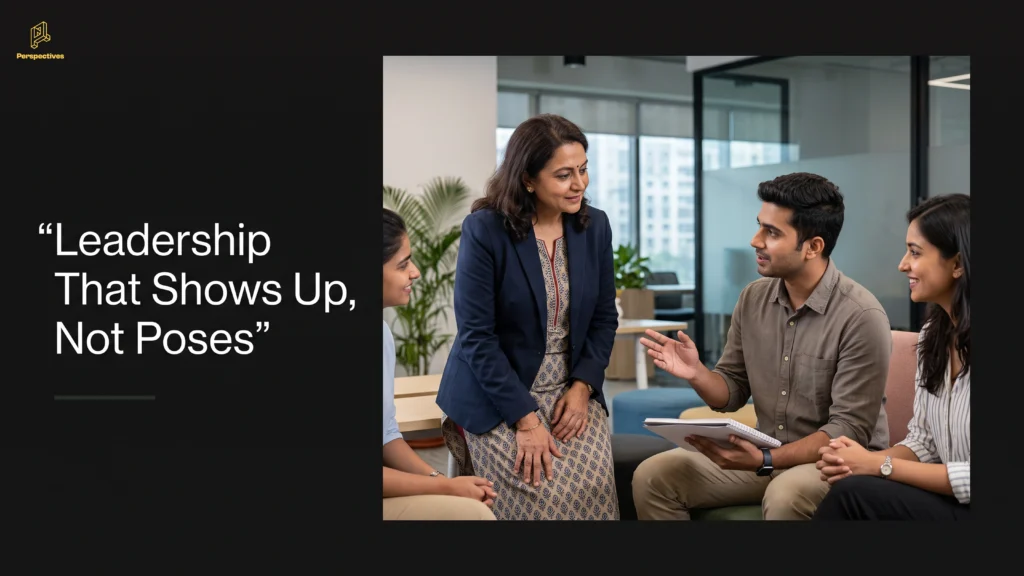
The best office culture photoshoot ideas rarely involve staging anything dramatic. They involve capturing the ordinary parts of the day well, because that is what candidates actually want to see before they decide to apply.
Some ideas worth building into the shoot list:
- The morning arrival and coffee corner, shot candidly rather than posed, since this is where most offices actually feel most human
- Desks and workstations mid-task, with real screens, real notes, and real clutter, not a staged empty desk
- Meeting rooms in actual use, whiteboards mid-sketch, a discussion caught mid-sentence rather than everyone smiling at the lens
- Common areas and breakout spaces, showing how the office is really used, not just how it looks empty in a real estate listing
- Small personal details, a desk plant, a team mascot, handwritten notes, the things that make an office feel like your office and not a generic co-working render
A good shoot treats these small, everyday moments as seriously as the big group shots, because candidates spend far more time imagining their own ordinary Tuesday than they do imagining the annual offsite. This is the same level of attention this studio brings to its corporate and lifestyle photography work more broadly, where the everyday detail often matters as much as the hero shot.
Team Moments and Collaboration That Actually Work
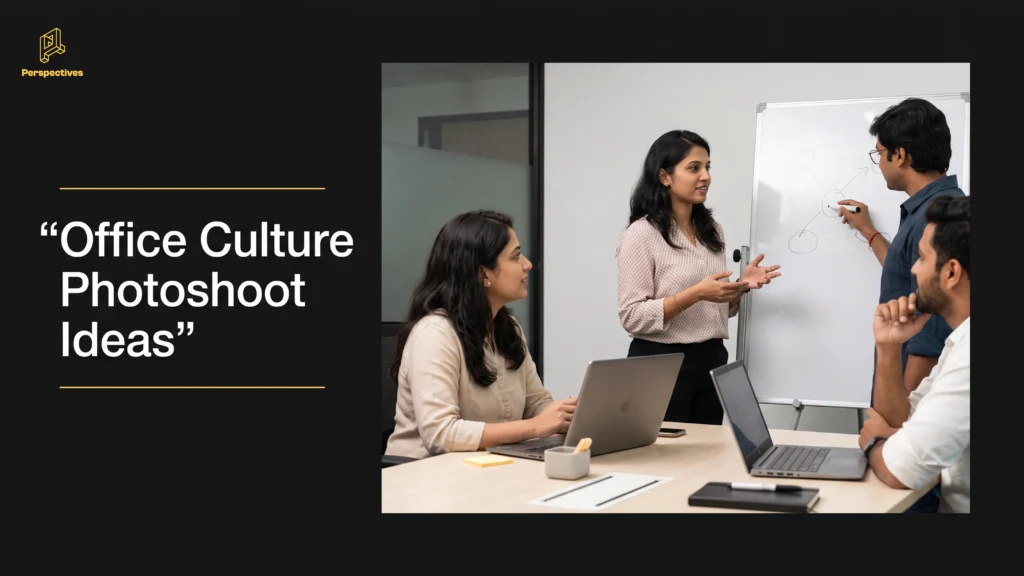
This is usually where the phrase “team photoshoot” gets used loosely, and it is worth being specific about what actually works.
A team photoshoot that reads as authentic usually includes small group huddles around a laptop or whiteboard rather than one giant lineup of the entire office, walking shots down a corridor mid-conversation, a genuine laugh caught between colleagues rather than a cued one, cross-team collaboration moments if the office has an open floor plan, and at least one wide shot that shows scale without losing any sense of individual personality in the crowd.
The biggest mistake here is over-directing it. The moment a photographer says “everyone look here and smile,” the shot stops being culture content and starts being a yearbook photo. The best team photoshoot outcomes usually come from letting people work or talk naturally for a few minutes while the photographer shoots from the side, then asking for two or three deliberately posed shots at the very end for the careers page hero image.
Leadership and Culture Storytelling Through Photography
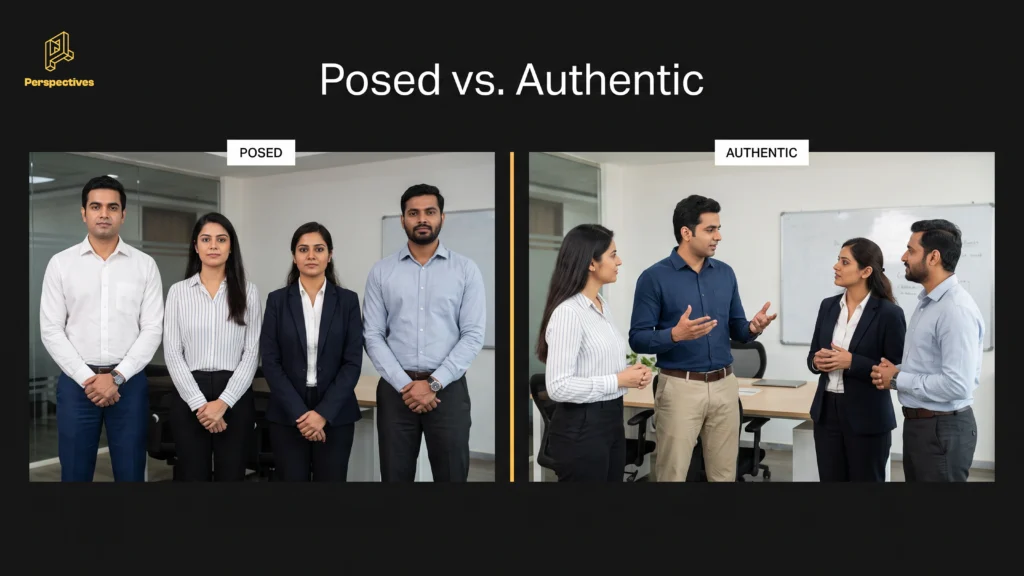
Leadership presence in this kind of shoot should feel like participation, not inspection. Candidates are quick to spot the difference between a founder genuinely chatting with the team and a founder parachuted in for one photo op before disappearing.
Strong ideas here include the leadership team in a working session rather than a boardroom lineup, a founder or manager mid-mentoring conversation with a junior employee, informal one-on-ones that show approachability, and leadership joining a team lunch or celebration rather than being shot separately from everyone else. If the company runs town halls or all-hands meetings, those sessions are some of the richest employer branding photography opportunities available, since they naturally show leadership speaking directly to the whole team.
This is also where an office culture photoshoot and a short recap video work well together. A photo can show a moment, but a thirty second clip of an actual town hall or celebration, the kind covered under corporate videography, often does more for a careers page than five static images combined.
Mistakes That Turn It Into Another Stock Set
Even companies that book a proper office culture photoshoot sometimes end up with content that looks almost as generic as the stock library they were trying to escape. A few recurring mistakes explain most of it.
Over-cleaning the office before the shoot is one. A desk with zero personality photographs as sterile, not professional. Over-directing every shot is another, since forced smiles are easy to spot and instantly undercut authenticity. Skipping a proper shot list is a third mistake, one this studio has already written about at length in its corporate event photography shot list guide, because the same discipline that saves a conference from missed moments applies just as much here.
The last common mistake is treating the shoot as a one-time event instead of a content bank. A single afternoon of proper employer branding photography, planned well, can supply a careers page, six months of social content, and a recruitment deck, all from one well briefed session.
Why Bangalore Employer Branding Teams Choose Perspectives
Perspectives does not treat an office culture photoshoot as a generic team outing with a camera. The Listen stage of the studio’s process starts with understanding what the careers page and social channels actually need, which teams matter most for the story, and which moments the employer branding team is missing right now.
On the day, the shoot is handled by an in-house crew covering both photography and videography, so a company walking away with a set of culture stills can also walk away with a short recap film from the same session, without booking two separate vendors. For companies that also need the words to go with the images, Perspectives’ brand storytelling and messaging team can help write the careers page copy and captions around the exact moments captured that day.
The studio has worked with names like Schneider Electric, Hitachi Vantara, Gallagher and COWRKS, bringing over 20 years behind the lens to a shoot type most photographers still treat as an afterthought. If you are planning a team photoshoot or a wider employer branding photography push this quarter, Perspectives can build the shot list, run the day, and hand over content that actually gets used, not just filed away in a drive folder. Read more about the studio’s approach and 20-plus year history on the About Us page.
Want to talk through your careers page or social content goals first? Call us and we’ll help you plan an office culture photoshoot around what you actually need.
FAQs
What is an office culture photoshoot?
It is a photography session focused on capturing real employees, workspaces and everyday moments at a company, used to show candidates and clients what the workplace actually feels like, rather than relying on stock imagery.
How is an office culture photoshoot different from employer branding photography in general?
It is one part of employer branding photography. That category also includes leadership headshots, event coverage and recruitment videos, while the culture shoot specifically covers everyday workplace life.
How long does a typical team photoshoot take?
For a single floor or team of twenty to thirty people, half a day is usually enough to cover candid work moments, a few group shots and leadership interactions without disrupting the workday too much.
Do we need to prepare the office before the shoot?
A light tidy up is fine, but over-cleaning the space so it looks unused works against the goal. Some visible personality, like desk plants or notes, makes the photos feel more real.
Can this kind of shoot include video as well as photos?
Yes, and it often should. A short recap video from the same session adds movement and voice to the static images, which works especially well for careers page hero sections and social reels.
How often should a company redo its office culture photoshoot?
Most employer branding teams refresh this content every twelve to eighteen months, or sooner if the office moves, the team grows significantly, or the current photos start feeling dated on the careers page.
What should we avoid asking employees to do during the shoot?
Avoid forced smiling-at-camera poses and staged “candid” moments that are obviously directed. Natural work or conversation, shot from a slight distance, almost always produces better usable content.
Conclusion
A careers page full of stock photos tells candidates nothing about what it is actually like to work at a company. A properly planned office culture photoshoot does. Build the shot list around real moments, real desks and real people, and the content that comes out of it will do more for hiring than another round of paid job ads ever could.
Key Takeaways
- An office culture photoshoot replaces generic stock imagery with real employees in real workspaces.
- Candidates research company culture before applying, making authentic visuals a genuine hiring advantage.
- A portrait session and a culture shoot solve different problems and should be briefed separately.
- Everyday moments like desks, coffee corners and meeting rooms often perform better than staged group shots.
- A team photoshoot works best when people are allowed to work or talk naturally before any posed shots are taken.
- Leadership should appear participating in the culture, not visiting it for a single photo op.
- Skipping a proper shot list is the fastest way to end up with another forgettable stock-style set.
- One well planned employer branding photography session can supply months of content across multiple channels.
- Pairing photography with a short video from the same shoot adds far more value than photos alone.
- Refresh the office culture photoshoot every twelve to eighteen months to keep the careers page current.
Your story is worth telling well. Book a call with Perspectives to plan an office culture photoshoot that actually shows candidates why your team is worth joining.